Sylhet Hidden Gems: Off-the-Beaten-Path Locations
Sylhet’s Hidden Gems are not the crowded tea estates or the well-trodden viewpoints you see plastered across travel brochures. Instead, they are the places whispered about by locals, tucked away in valleys and borderlands, where nature still feels raw and culture remains untouched. For the traveller who craves authenticity, Sylhet is less a tourist hub and more a frontier waiting to be explored.
This guide unlocks four of the region’s best-kept secrets, destinations that demand patience, stamina, and a willingness to embrace the unknown. They are not the sort of places you stumble upon with a casual taxi ride. They require local guidance, a bit of grit, and a respect for the communities that live in these isolated corners.
Well, here’s the truth: without local transport and a dose of humility, you won’t get far. These journeys are not about ticking boxes on Instagram. They’re about immersing yourself in landscapes and cultures that thrive away from the spotlight. Respect the isolation, tread lightly, and you’ll be rewarded with experiences that feel almost otherworldly.
The Pristine River Gem: Utma Chora (The Wild Stone Stream)
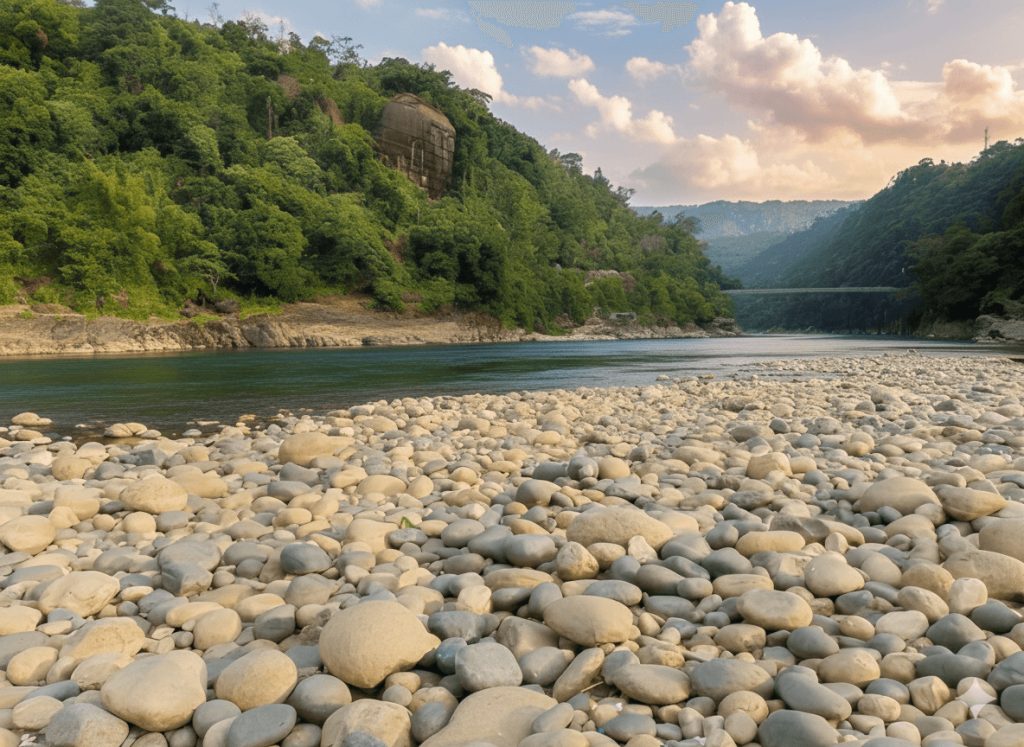
Hidden in Companiganj Upazila, is a river that looks like it belongs in a painting. Its water is startlingly clear, flowing over white stones and sandbanks that shimmer under the sun. Unlike the popular tourist rivers, this one feels untouched, almost secretive. It’s the kind of place where you sit on a rock, dip your feet, and wonder why more people haven’t discovered it.
The journey itself is part of the adventure. To reach Utma Chora, you’ll need to endure a multi-stage trek involving local transport, rough roads, and sometimes even a boat. It’s not convenient, and that’s precisely why it remains pristine. The effort naturally filters out mass tourism, leaving only those who truly want to experience its rugged beauty.
Imagine this: you’re standing at the edge of the stream, surrounded by silence except for the rush of water. No vendors, no selfie sticks, no plastic bottles floating by Just you, the stones, and the wild flow of nature. Utma Chora is less a destination and more a reminder that beauty often hides where convenience cannot reach.
The Ephemeral Wetland Wonder: Dibir Haor (The Red Lily Lake)
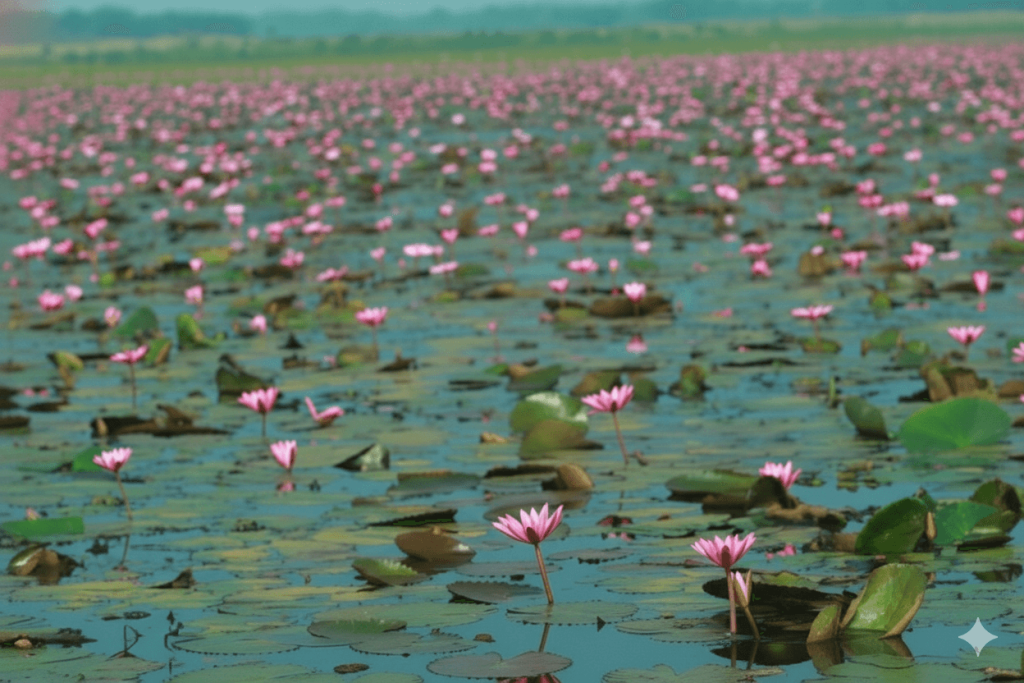
In Jaintiapur Upazila is a spectacle that refuses to be permanent. For most of the year, it’s a calm wetland, but come late monsoon and early winter, it transforms into a floating carpet of red Shapla lilies. The sight is surreal, thousands of blossoms stretching across the water, glowing under the morning light.
Timing is everything here. If you arrive at midday, you’ll miss the magic. The lilies open fully at dawn, creating a fleeting window of beauty that feels almost like a secret performance. Travellers who make the effort to rise early are rewarded with a view that feels exclusive, as though nature is letting them in on a private show.
Actually, it’s not just about the flowers. It’s about the atmosphere, the mist rising from the water, the fishermen gliding silently in their boats, the sense that you’re witnessing something ephemeral. Dibir Haor is a reminder that not all beauty is permanent. Sometimes, it’s seasonal, fragile, and all the more precious because of its brevity.
Border Tranquillity: Panthumai Waterfall Village Viewpoint
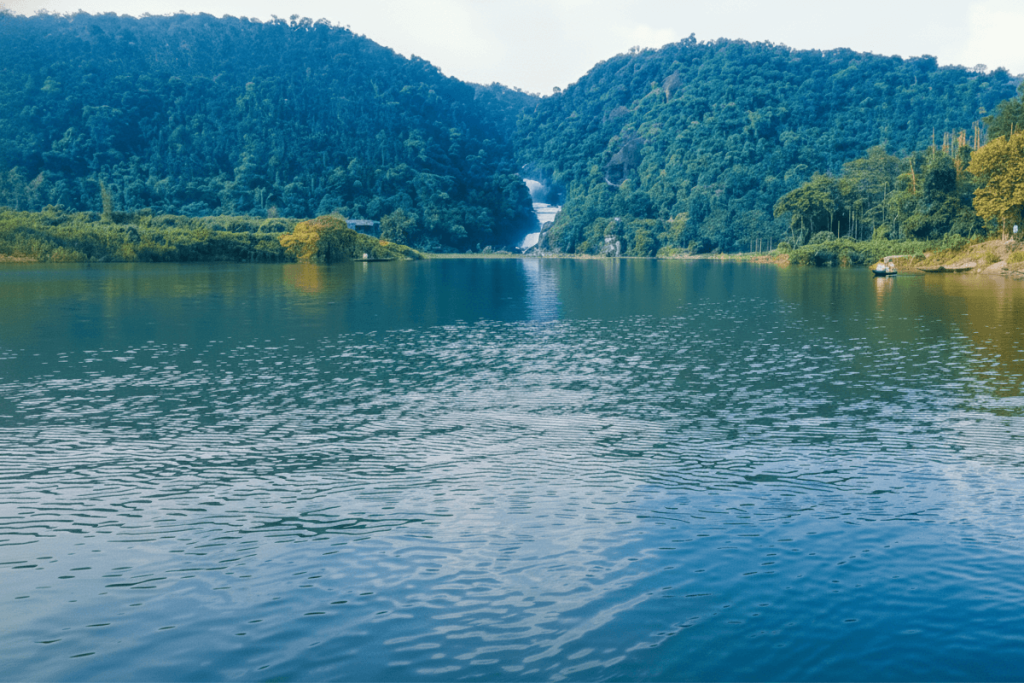
Panthumai village in Gowainghat Upazila sits right on the India-Bangladesh border, and it’s the kind of place where time seems to slow down. The village itself is peaceful, with simple homes and quiet lanes, but the real draw is the backdrop: Borhill Falls, also known as Panthumai Falls, cascading dramatically just across the border in India.
The waterfall is spectacular, yes, but the true charm lies in the atmosphere of the village. Sitting by the riverbank, watching children play or boats drift lazily, you realise that the tranquillity is the real attraction. It’s not about chasing adrenaline or snapping photos, it’s about soaking in the serenity of a place that feels suspended between two worlds.
Respect is crucial here. This is a sensitive border area, and visitors are expected to maintain silence and dignity. Hiring a local boat and guide is not just practical, it’s respectful. Panthumai teaches you that tourism isn’t always about noise and activity. Sometimes, it’s about listening to the quiet heartbeat of a community.
Culture and History: The Jaintia Kingdom and Khasi Villages
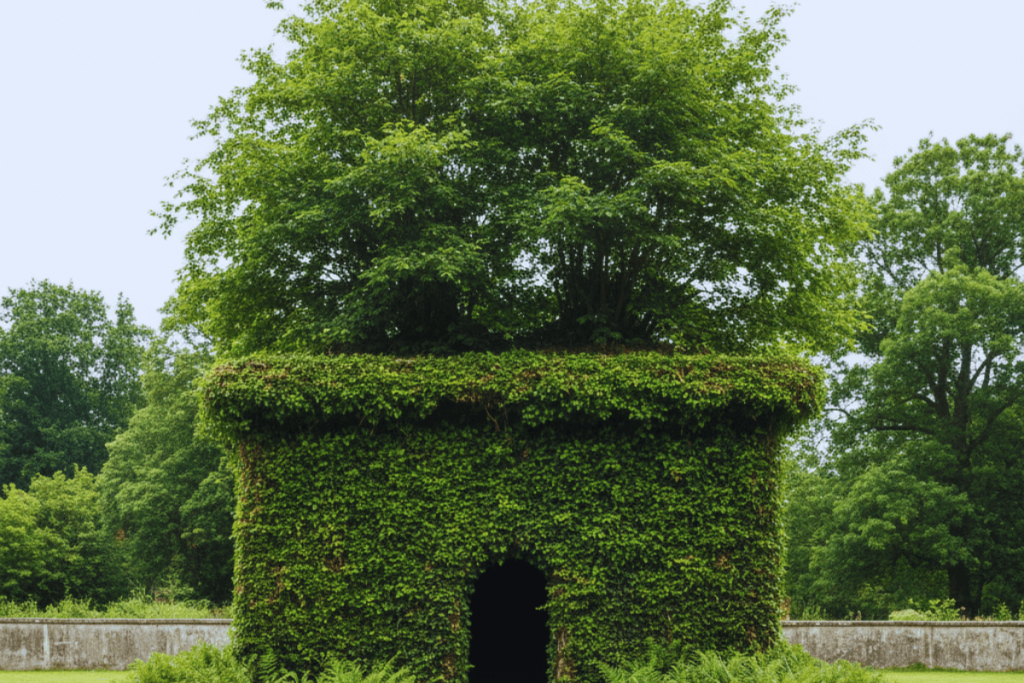
Sylhet’s Hidden Gems aren’t only natural wonders, they’re cultural treasures too. In Jaintiapur, the ruins of the Jaintia Kingdom’s ancient capital stand quietly, overlooked by most travellers. The crumbling walls and scattered stones whisper stories of a once-powerful dynasty, grounding the region in history that goes far beyond tea gardens and waterfalls.
Nearby, the Khasi villages add a living dimension to this heritage. These tribal communities, often perched in the surrounding hills, are known for their unique architecture and deep connection to the land. Betel leaf farming is a way of life here, and walking through the villages, you’ll see how tradition and livelihood intertwine seamlessly.
Visiting these villages is not about voyeurism; it’s about respectful interaction. Share a smile, admire the craftsmanship of their homes, and listen if someone chooses to tell you a story. The Khasi people remind us that culture is not a museum exhibit; it’s alive, breathing, and evolving. Together with the ruins of Jaintia Rajbari, they offer a human element that completes Sylhet’s tapestry of hidden gems.
Grand Sylhet Hotel & Resort

After days of trekking through rivers, wetlands, and border villages, you’ll need a place to rest. The Grand Sylhet Hotel & Resort offers that balance of comfort and convenience, making it an ideal base for explorers. It’s not just a hotel, it’s a retreat where you can recharge before heading back into the wild.
Think of it as a bridge between adventure and relaxation. You spend the day navigating rugged terrain, then return to a space where you can enjoy modern amenities, good food, and a soft bed. It’s a reminder that even the most intrepid journeys benefit from a touch of luxury.
Well, let’s be honest, after waking up at dawn for lilies or trekking to border streams, a hot shower and a hearty meal feel like treasures in themselves. Grand Sylhet ensures that your adventure doesn’t end in exhaustion but in satisfaction.
Final Thoughts
These four destinations, Utma Chora, Dibir Haor, Panthumai, and the Jaintia-Khasi heritage, represent the purest version of Sylhet’s Hidden Gems. They are places where adventure and authenticity converge, far removed from the polished tourist trails.
Travellers who seek them out must do so responsibly. Respect the isolation, honour the communities, and tread lightly on the land. In doing so, you help preserve the untouched nature and cultural richness that make Sylhet extraordinary.
So, pack your curiosity, hire a local guide, and set off. The hidden gems of Sylhet are waiting not for everyone, but for those willing to earn them.